Web App · Embroidery · Solo
Stitch My Signature
A free web app that turns a handwritten signature into a file an embroidery machine can sew. Designed, built and shipped alone. Runs in the browser with nothing uploaded.
The problem
Quilters sign their work with a label on the back. Many want their own handwriting on that label. Getting handwriting onto fabric by machine means digitizing it first. Software starts at a thousand dollars and a service costs ten to thirty dollars a design. The people who want it most are often older and on an iPad.
My job was to make that one job free, fast and safe to do on a phone.
Role and team
Solo. I designed and built the app, tested it on my own machines and ran the beta with quilters from a Facebook group I started. Claude Code wrote code alongside me.
What it does
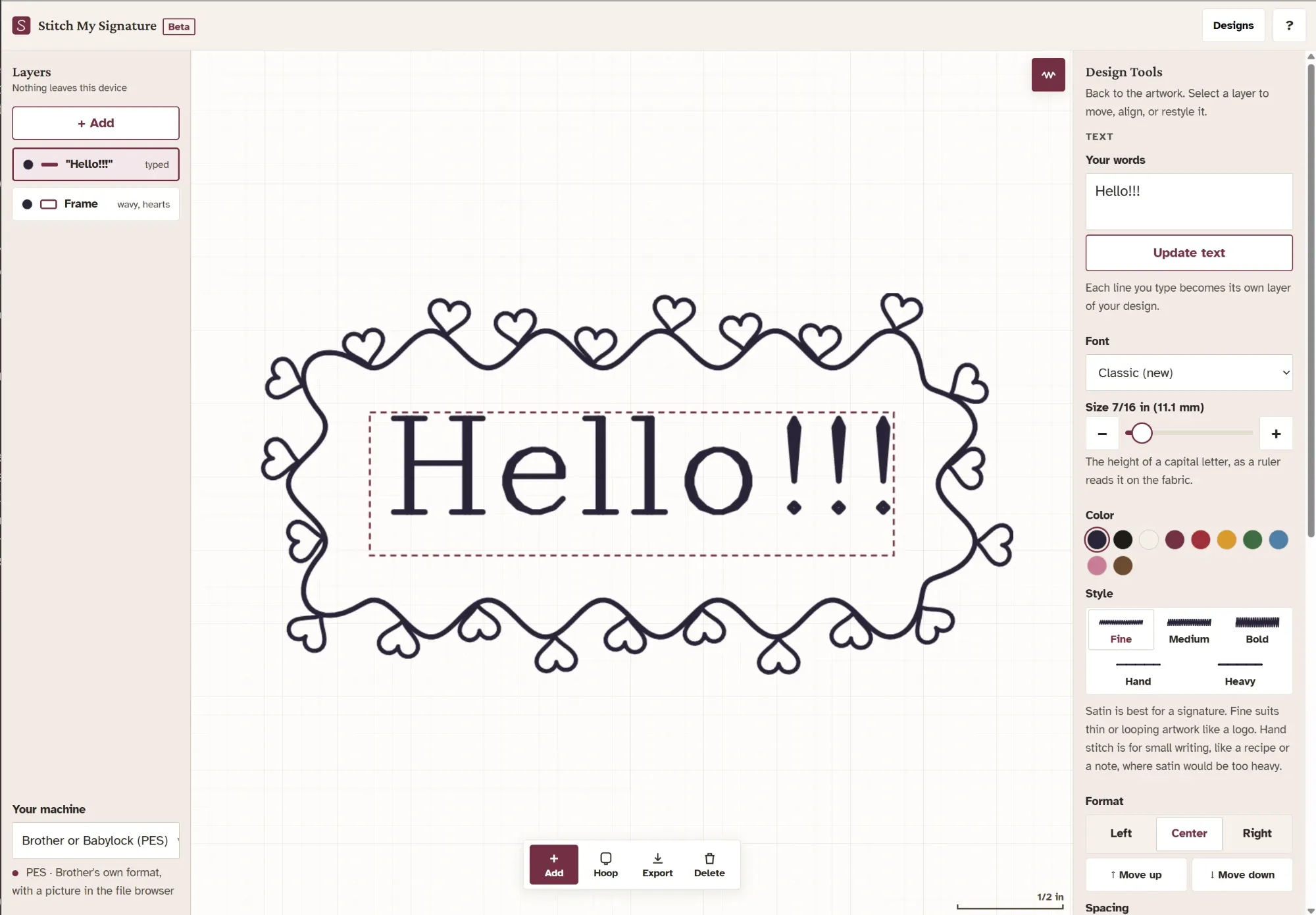
- Sign with your finger, snap a photo of a signature on paper, or type a name.
- The app traces the handwriting and turns the line into stitches.
- A print-at-actual-size PDF shows the stitches before you commit thread.
- Everything runs in the browser. Nothing uploaded.
Getting a signature to stitch
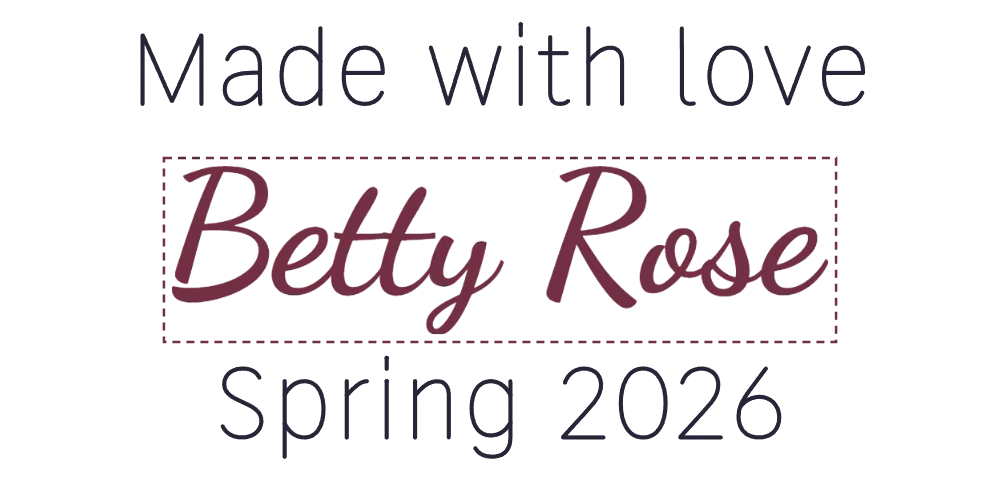
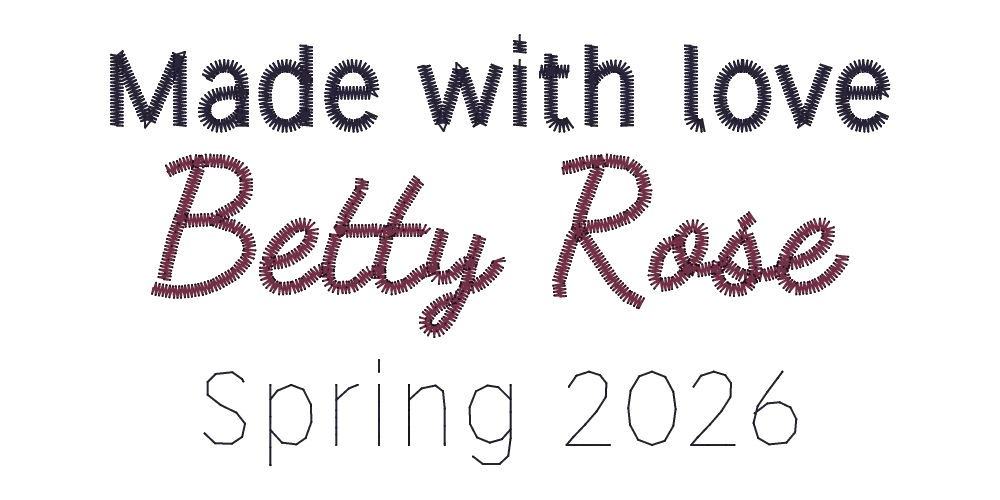
The first file I sent to a machine was my own signature. It came back as a knot.
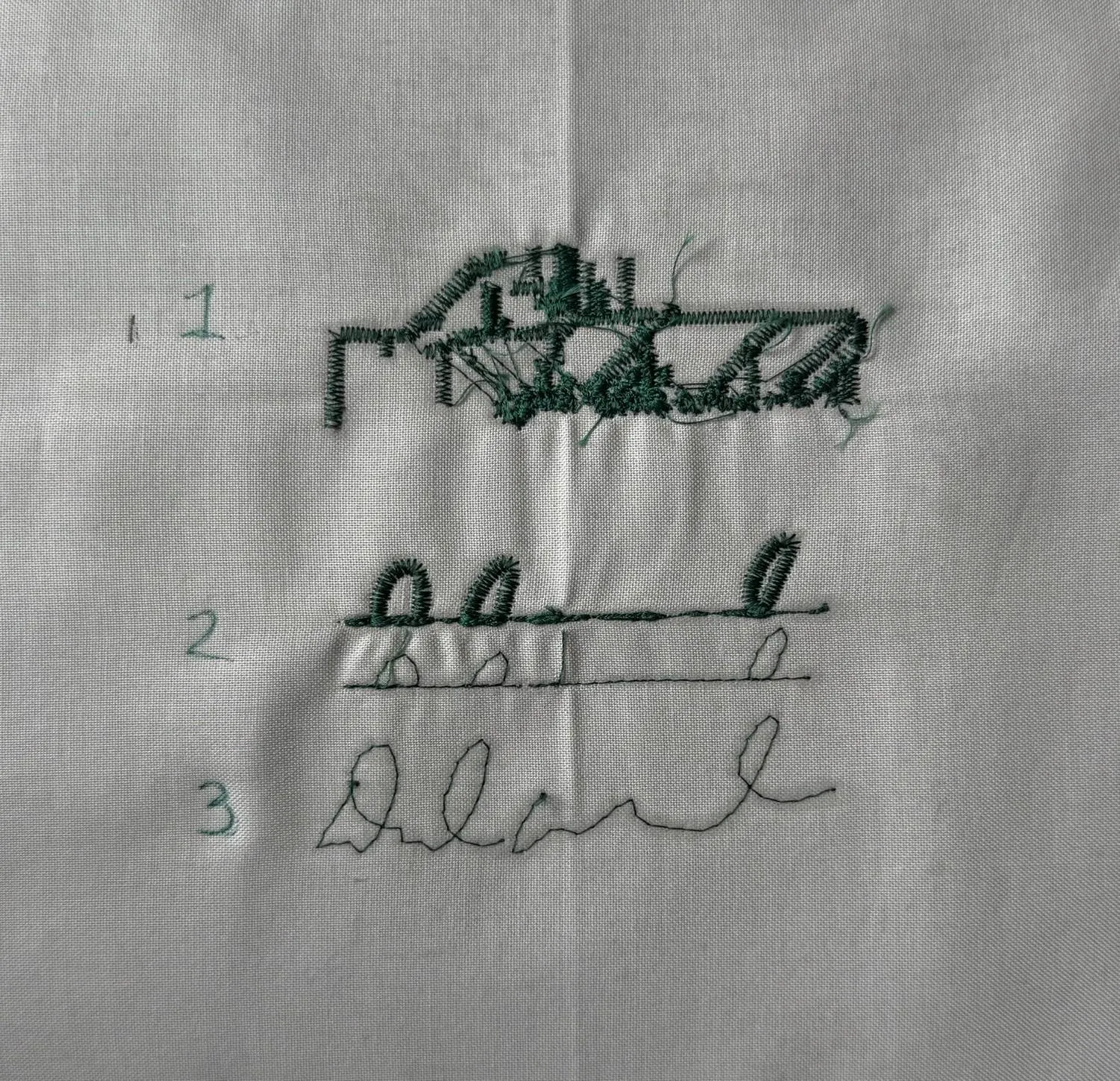
Try one was satin stitch straight off the trace and the small loops filled in solid. Try three was a plain running stitch and the first one you could read. Follow the handwriting first. Earn the satin back later.
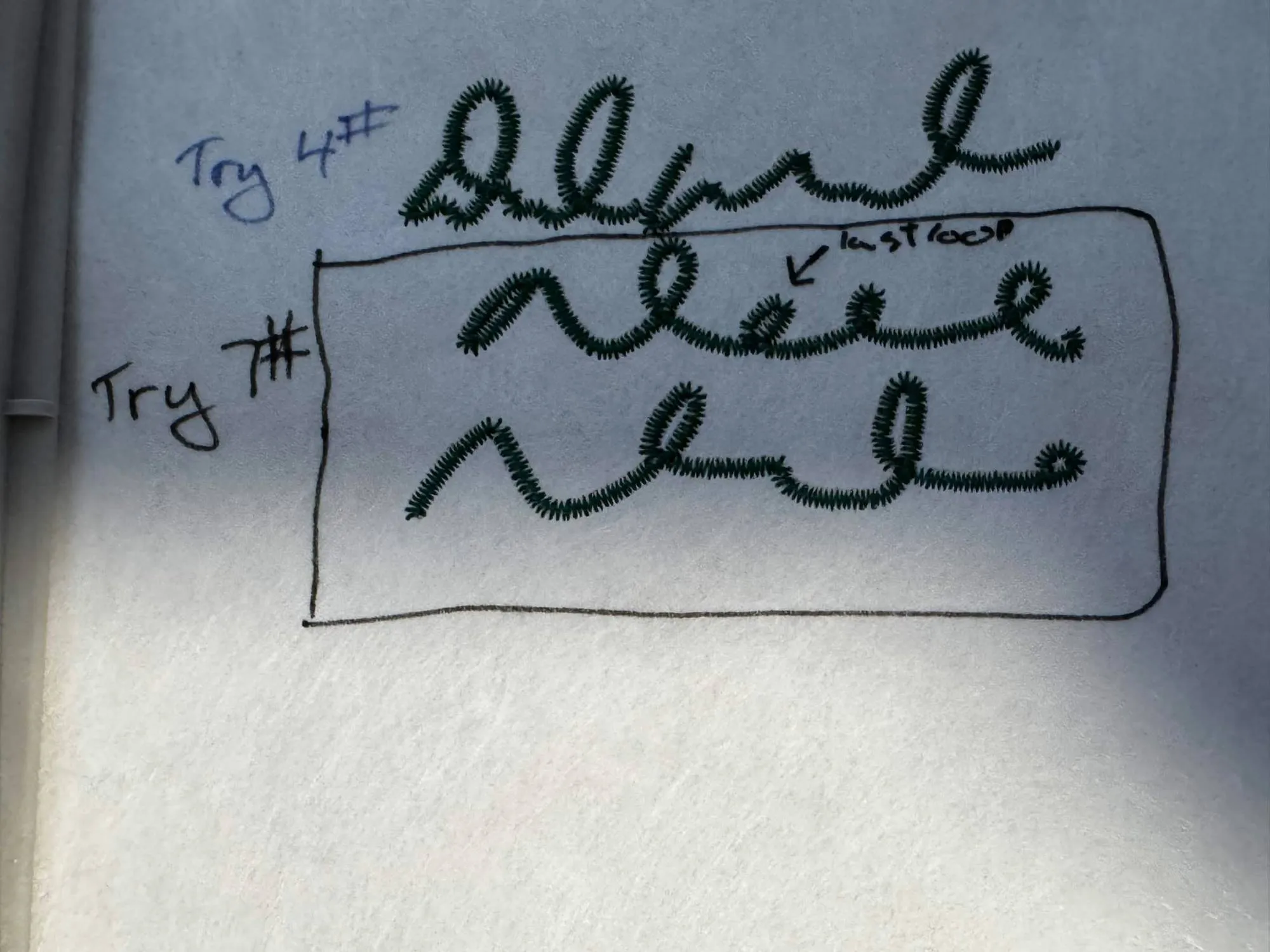
By try seven the satin held its shape. The last loop still closed up because small letters need a finer stitch than capitals. The app now warns when small letters will come out too thick.
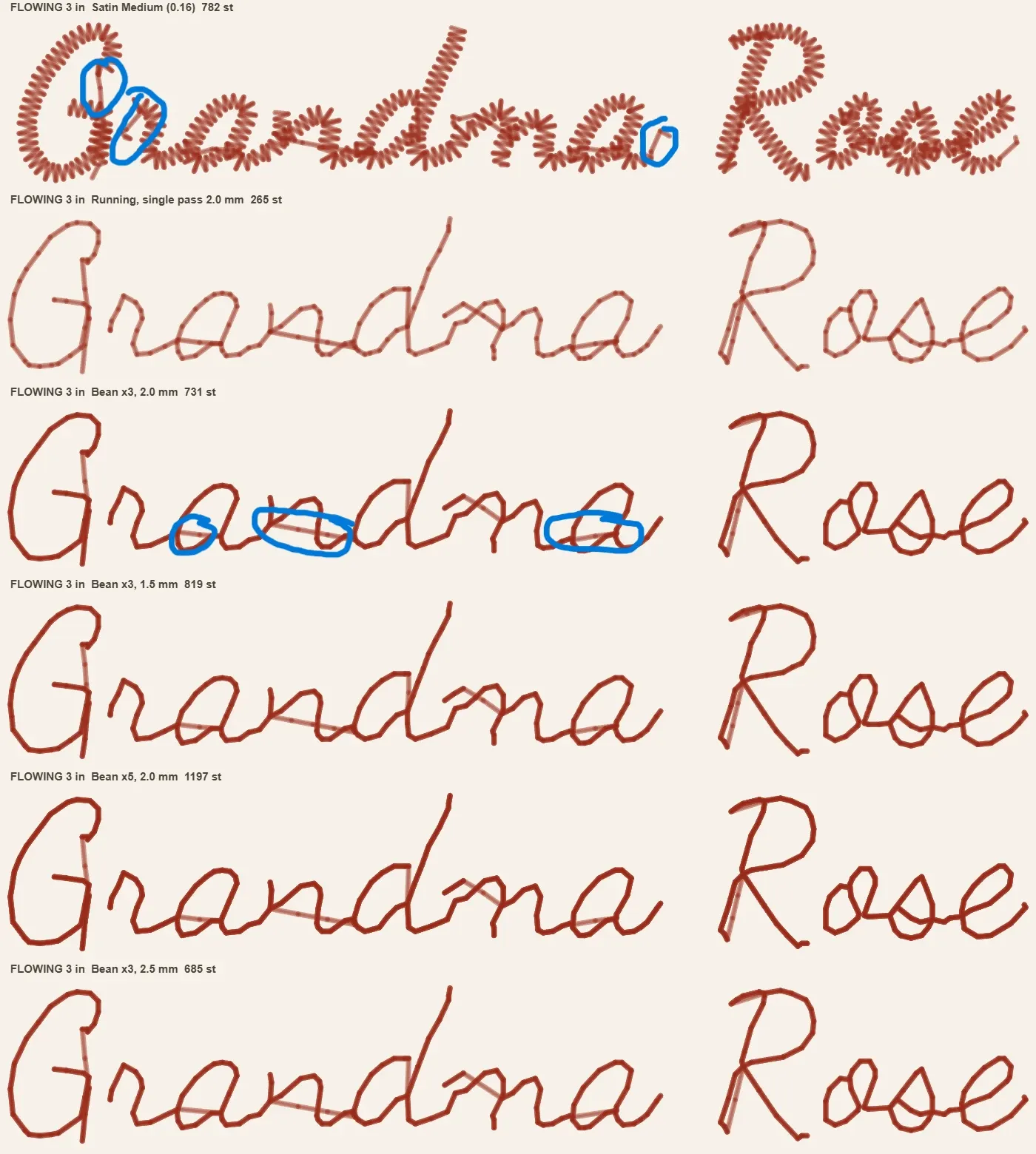
The hard parts
- Photos of paper. Shadows, paper texture, printed rules and bleeding ink. The pipeline flattens the lighting and erases the printed lines without erasing the letters.
- Six formats, one plan. Every machine format is written from the same stitch plan and checked on a Brother, a Janome, a Pfaff and a Bernina.
- Nothing from anyone else. No third-party script, no font and no analytics. Guard scripts run on every push to hold that promise.
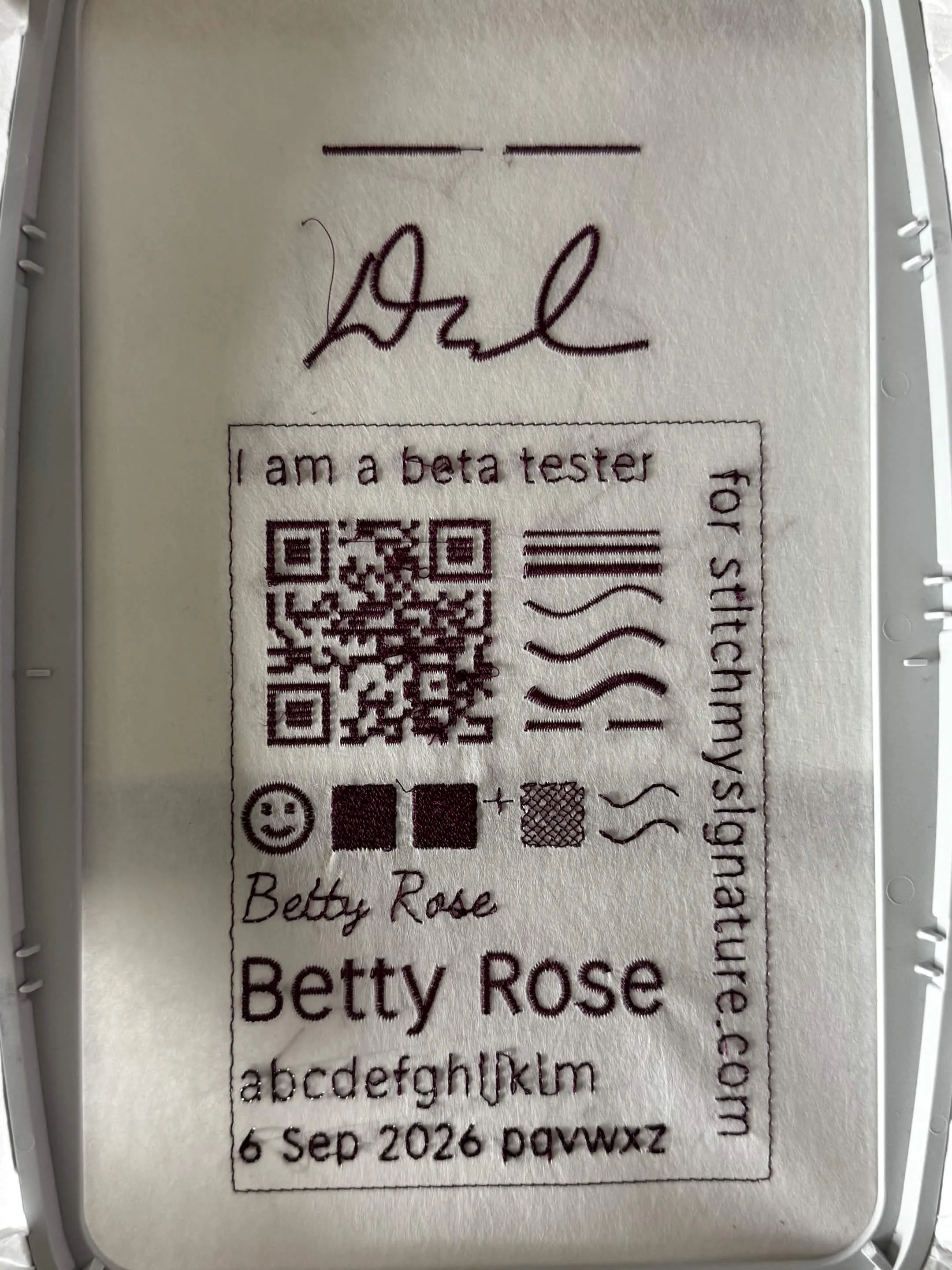
Designing for the audience
Quilters are often older and low-vision and usually on an iPad.
- Big touch targets.
- Inches first and millimeters second.
- No file-format jargon. Pick your machine and the app picks the format.
- A PDF at actual size to hold against the fabric.
Outcome
- Live and free at stitchmysignature.com at Beta 0.51.
- Six machine formats from one picker. Four stitched on real machines.
- Designs save on the device. No accounts.
Where it’s going
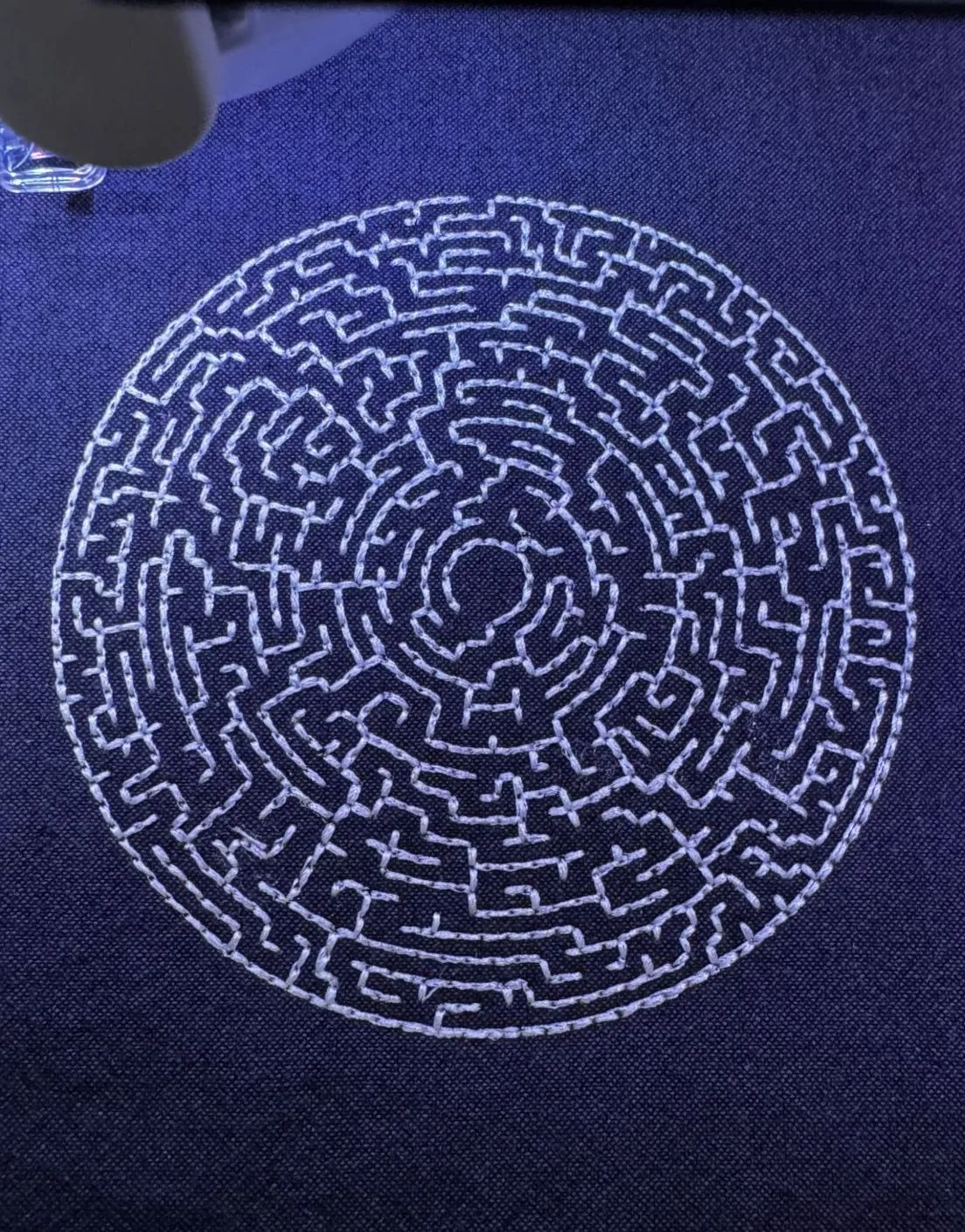
The stitch engine works on any line. The cover is a generated maze stitched as one running line. Frames, borders and line art are next.
What I took from it
- Designing and building the same thing is a different job from designing it and handing it off. Every “it should just” became a Saturday.
- A promise written as a test is a promise I don’t have to remember.
- The knot on try one taught me more than the decoder that said the file was fine.